
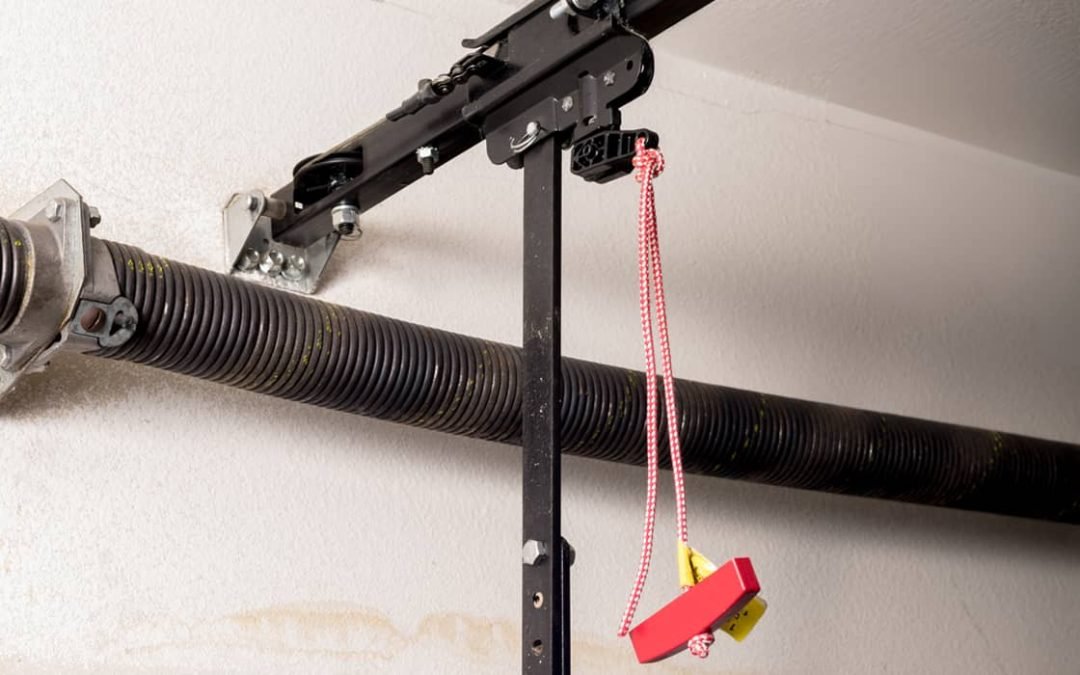
Ensuring that your garage door operates appropriately is crucial not only for the security of your home but also for your safety. Continuing to use a garage door with broken or faulty springs can increase the strain on them, leading to a complete failure, which could cause the door to come crashing down.
Garage doors are typically hefty, and the springs allow them to be lifted, either manually or via a garage door opener. There are two primary types of garage door springs: torsion springs and extension springs. Torsion springs are located above the door, running horizontally across the top, and are used for larger garage doors. They work by twisting and storing energy when the door is closed, then releasing it to lift the door when opened. Extension springs, on the other hand, are found on the sides of one-piece garage doors or above horizontal tracks, using a cable and pulley system. They stretch and contract to lift and lower the door.
Identifying Broken or Faulty Garage Doors Springs
To ensure your garage door is operating securely and safely, visually inspect your garage door springs for the following signs at least once a month:
- Door Refuses to Open: If your garage door doesn’t open, it could indicate an issue with the opener, potentially related to the springs. Schedule an inspection with a professional to diagnose the problem.
- Visible Wear or Damage: Stand inside the garage with the door closed and inspect the springs, mounting hardware, pulleys, cables, and rollers. Even if the springs are in good shape, damage to other components can put more stress on the springs, increasing the risk of failure.
- Specific Signs of Spring Issues:
- Worn-out springs.
- Separation in the spring.
- Springs losing tension (stretched out or elongated).
- Manual Operation Test: If you have an automatic opener, disconnect it after closing the door. Lift the garage door manually. If the springs are in good condition, the door should lift easily with little resistance and remain open. Difficulty lifting or the door not staying open indicates possible spring issues.
- Force Setting Test: With an automatic opener, open the garage door fully, then use the wall button or transmitter to close it. As it closes, hold the bottom of the door with outstretched hands. The safety reversing mechanism should stop and reverse the door. If it struggles to reverse or keeps closing, immediately remove your hands, as there could be an issue with the springs or safety mechanism.
Preventing Garage Door Spring Damage
Typically, garage door springs last between seven and twelve years. To extend their lifespan and reduce the risk of damage, apply a small amount of spray lubricant to the garage door components twice a year.
Professional Inspection and Maintenance
If you identify any signs of broken or faulty springs, schedule a professional inspection immediately. It’s crucial never to attempt to repair or replace garage door springs yourself, as the high tension they hold can cause serious injury if mishandled. The springs are under significant pressure, and any mishandling can lead to them snapping or releasing suddenly, potentially causing severe harm or even death. Always prioritize your safety and leave spring repairs to the professionals.
If you need more time to inspect your garage door springs, schedule a professional inspection with Gali Garage Door today to ensure your garage door’s safe and efficient operation. It’s recommended to have a professional inspection at least once a year or more frequently to detect any spring issues or other problems sooner.